Application
Advanced Thermal Solutions
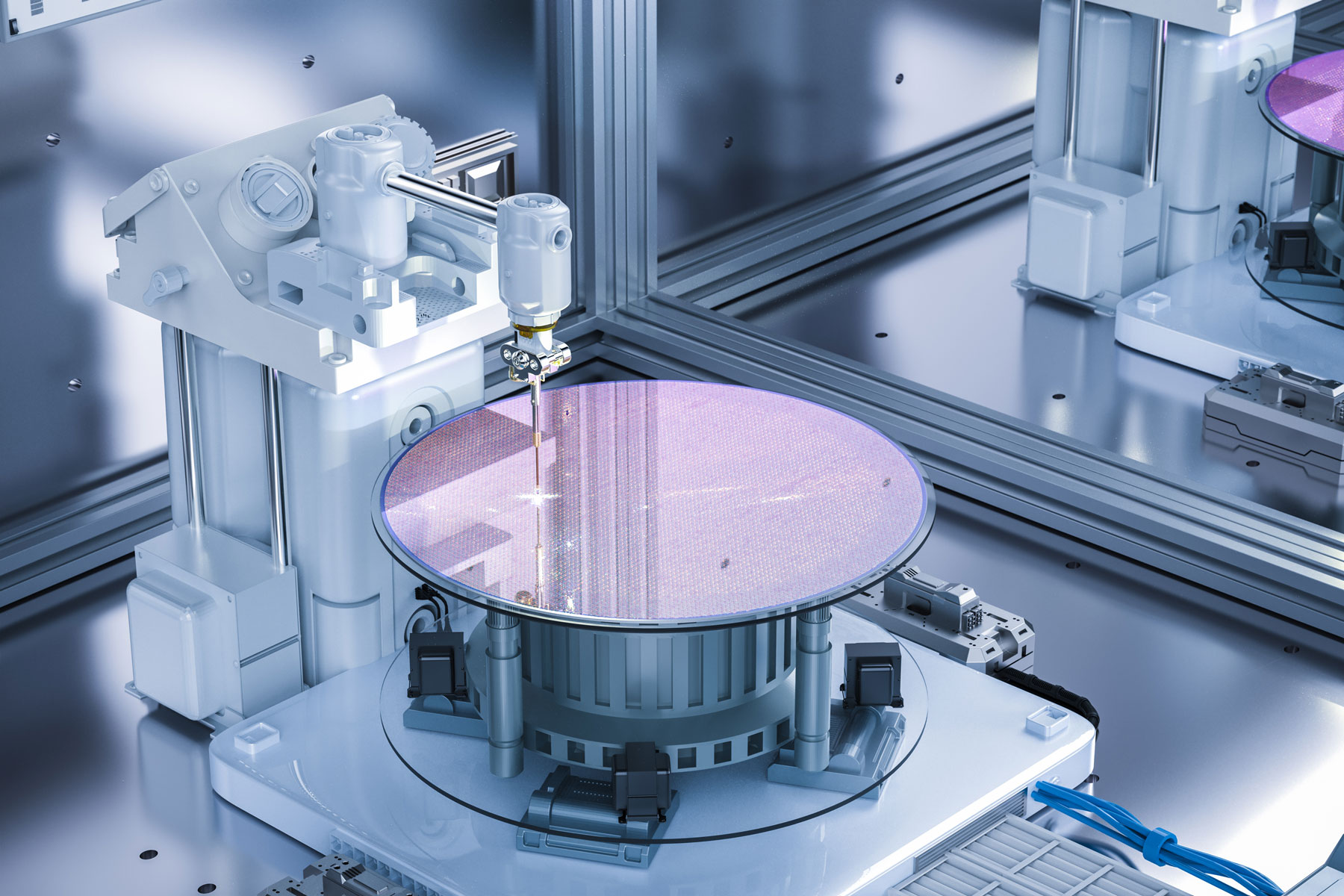
With the rapid growth of artificial intelligence in recent years, high-end AI chips with ever-greater compute capability require more power, and the heat generated per unit area has become the biggest bottleneck to chip performance. The industry is actively developing a range of technologies to address thermal management.
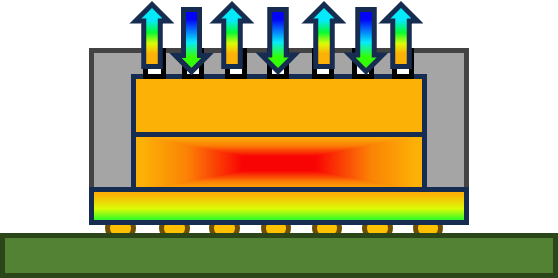
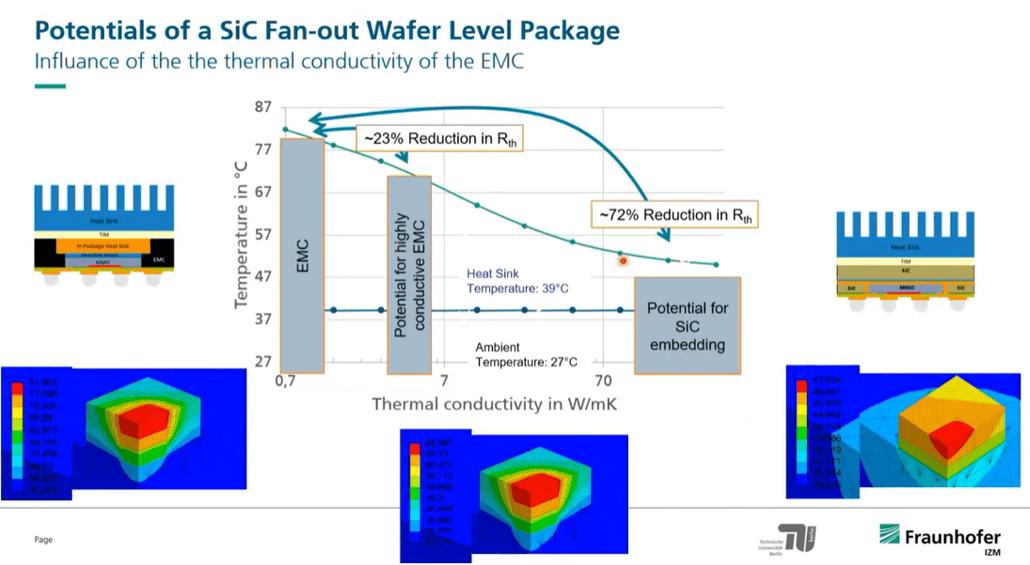
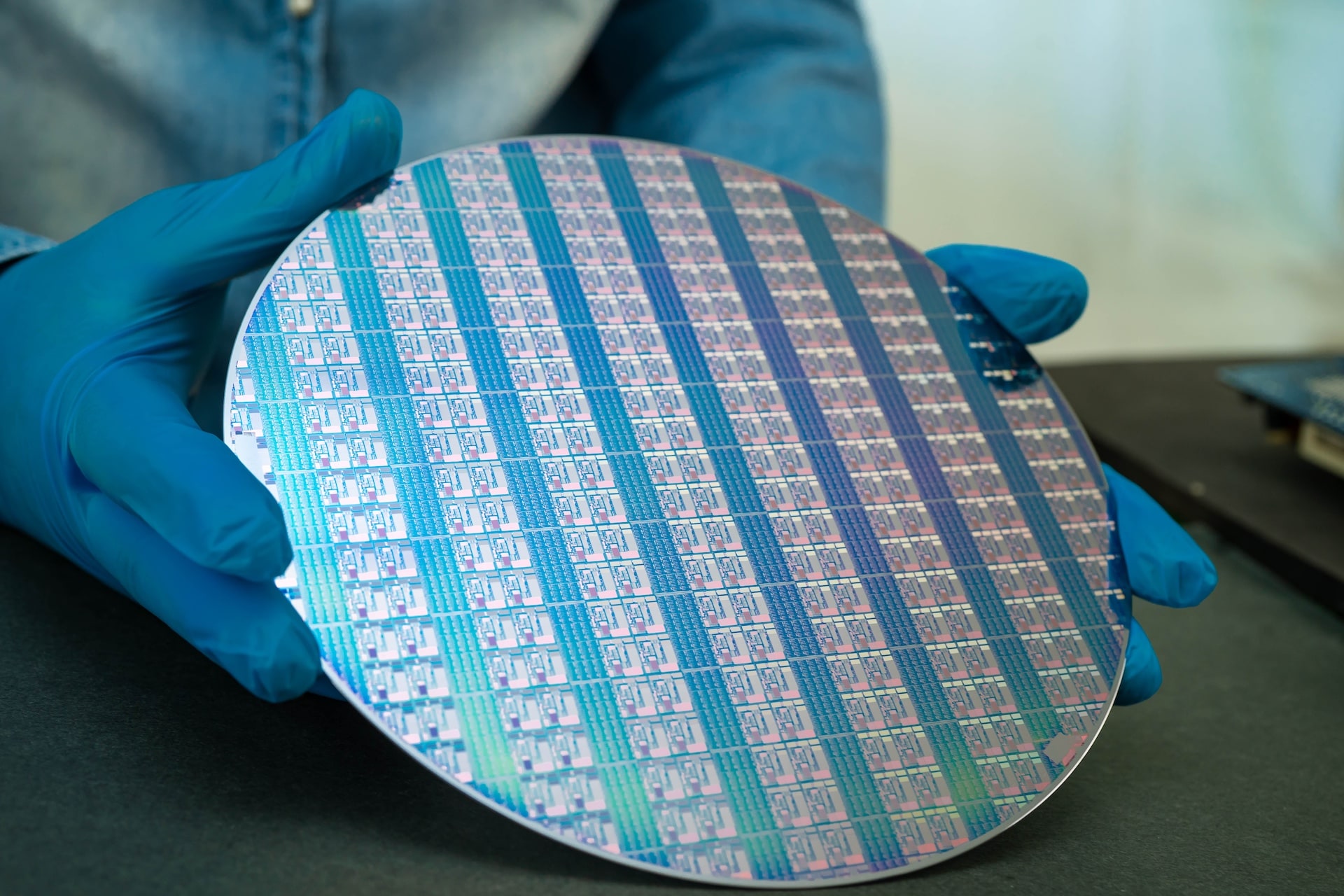
On the materials side, NVIDIA plans to use silicon carbide (SiC) as the interposer in advanced packaging for its future Rubin processors; the first-generation Rubin is still expected to use silicon as its interposer. The thermal conductivity of pure single-crystal silicon is about 141 W/(m·K), while that of single-crystal silicon carbide is about 400–490 W/(m·K)—a substantial improvement.
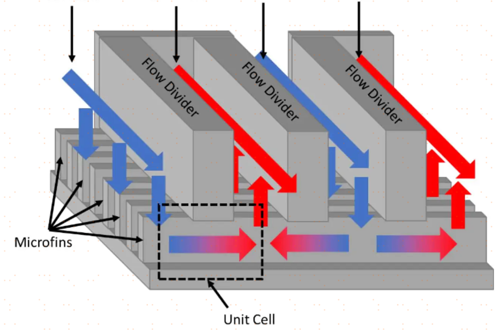
Another recent innovation is microfluidic cooling, in which channels are machined directly into the chip structure—tens to hundreds of micrometers wide—to bring coolant inside the die. The channel layouts mimic leaf veins or butterfly-wing veins to improve cooling efficiency. Combining a SiC interposer with microfluidic channels will therefore become a key path to thermal management of high-power chips.
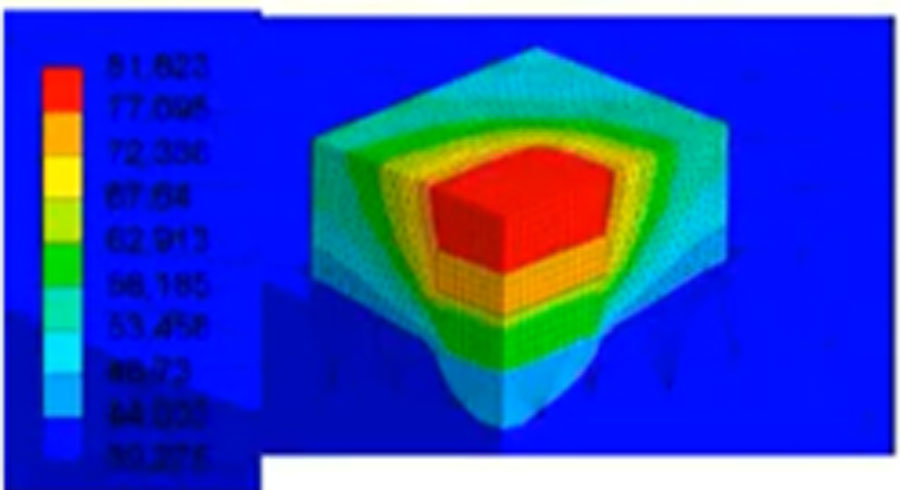
Conventional packaging cooling
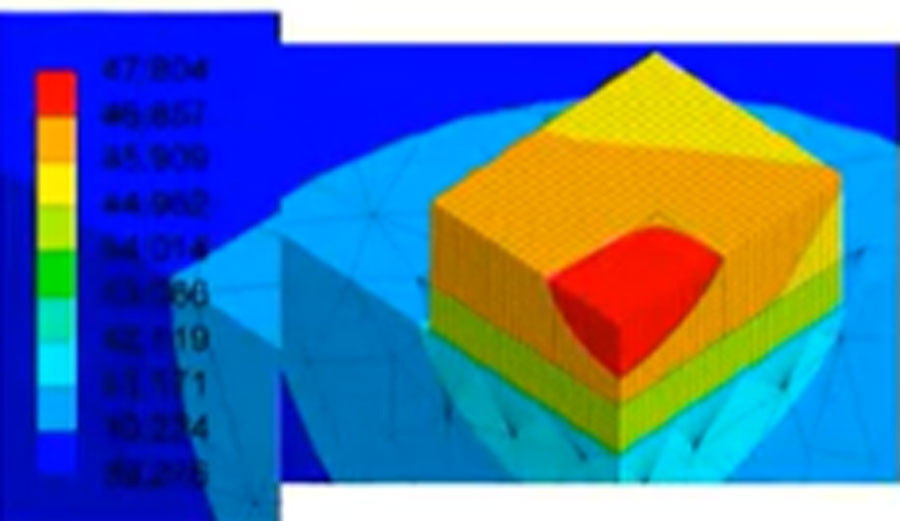
Introducing SiC into packaging to enhance heat dissipation
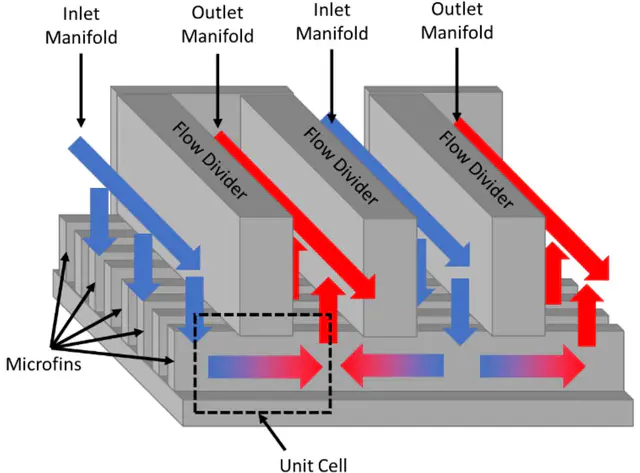
Microfluidic cooling technology
Direct Cooling for Advanced Packaging
For chip power demands exceeding 1000 W, today’s cooling systems face real challenges. SiC substrates, with their exceptional mechanical strength and corrosion resistance, will be the best carriers for active-cooling designs.
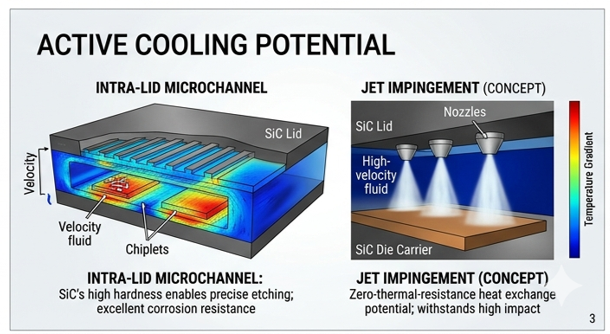
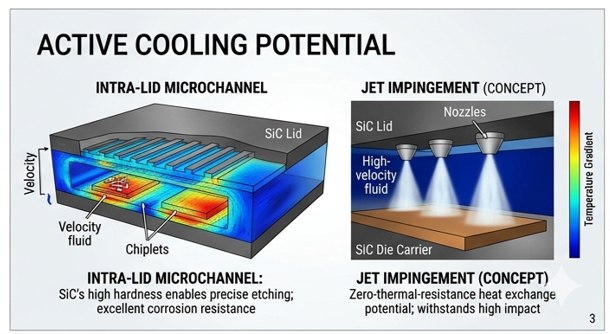
Intra-lid Microchannel:
This approach places cooling inside the lid, integrating the package and the heat-sink module. By shortening the thermal path it dramatically improves heat removal.
SiC benefits include:
High hardness supports ultra-thin walls:
microfluidic designs require very thin fins; SiC’s mechanical strength far exceeds copper’s, supporting more precise thin-wall structures without deformation.
Erosion and corrosion resistance:
SiC offers excellent chemical inertness and wear resistance, ensuring channels remain free of severe wear or electrochemical corrosion during long-term operation.


Intra-lid Microchannel
Thermal conductivity and CTE matching:
SiC’s conductivity is close to copper’s, but its CTE better matches Si dies, reducing stress between channels and chips under large temperature swings and avoiding failure.
Jet Impingement Cooling:
This uses high-speed coolant jets to remove heat, breaking through the boundary layer at high velocity and avoiding heat buildup typical of plain channels. Arrayed nozzles rapidly remove heat across different SoC regions, preventing hot-spot accumulation.
SiC benefits include:
Withstanding high-pressure impact:
jet cooling produces continuous physical impact on heated surfaces. SiC’s high Young’s Modulus resists micro-plastic deformation under long-term jet impact.
Excellent lateral heat spreading:
jets impact in points or lines; SiC’s outstanding in-plane conductivity rapidly spreads heat sideways around impact zones, greatly improving heat-exchange efficiency.